
travelling The middle way
Why the place you've been told to avoid might be exactly where you need to be
The Middle's Reputation Problem
The middle has a reputation problem, but the people who figured it out are the ones still going ten years later.
The metaphorical ‘middle’ has a lot to answer for.
Whether it’s entering middle age, having a midlife crisis, being stuck in middle management, or being the forgotten middle child, it tends to be a place people want to escape.
I want to make a case for living in the middle.
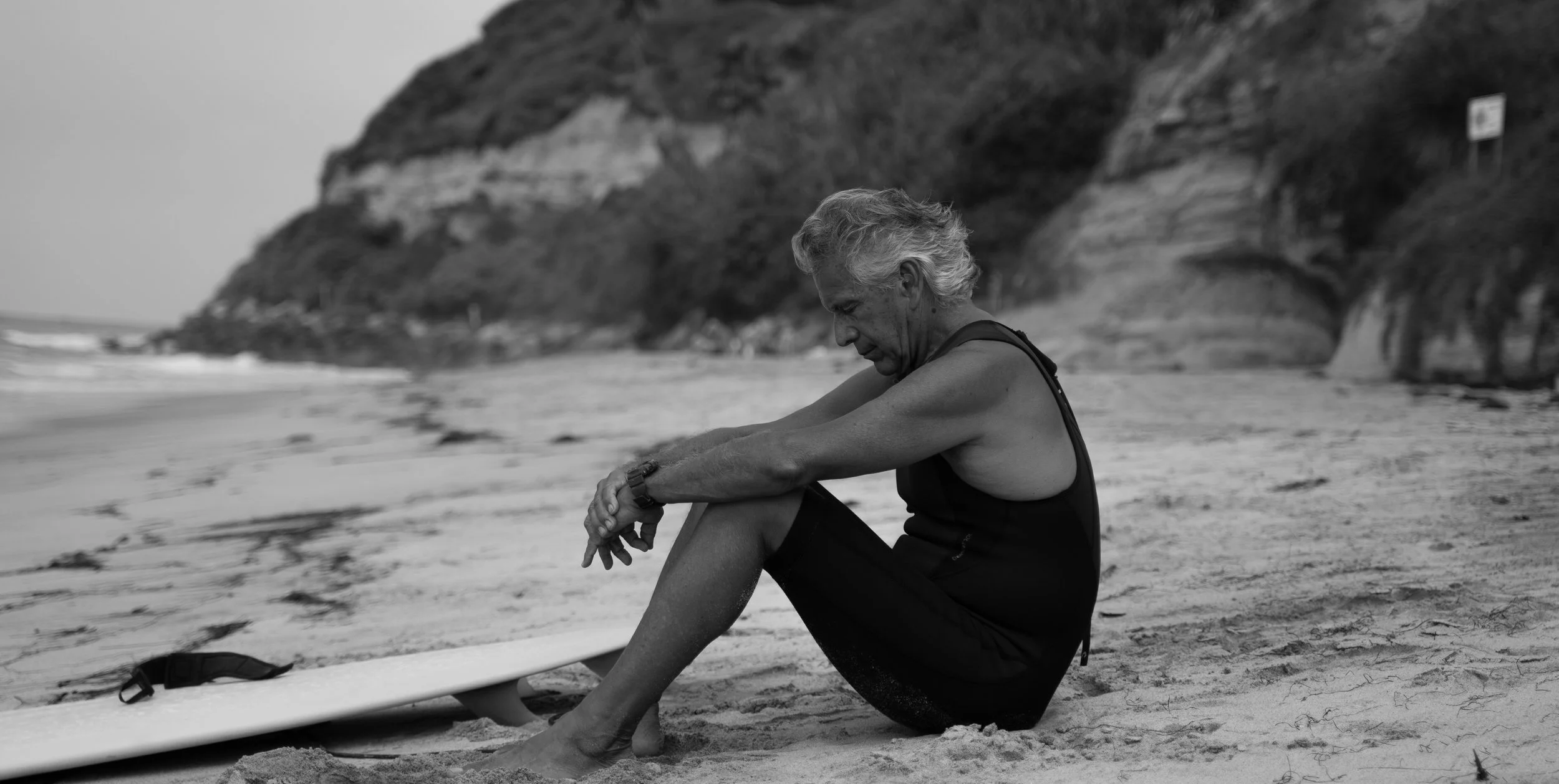
The Mid-Life Crisis
The Two Ditches
In our current culture, high performers can find themselves at two extremes at different points in their lives.
On one hand, you have the hustle-culture-influenced path of being relentlessly driven, setting ambitious targets and smashing through them.
This side is characterised by constant promotions, pay rises and achievement.
But eventually, it results in burnout, as it is not a sustainable state.
Which leads to the second extreme.
This one is characterised by disinterest, low motivation and low energy.
High-performers typically cycle between these states:
Sprint > Crash > Coast > Sprint Again.
What if there was another way? A path that cuts through the middle of these two ditches.
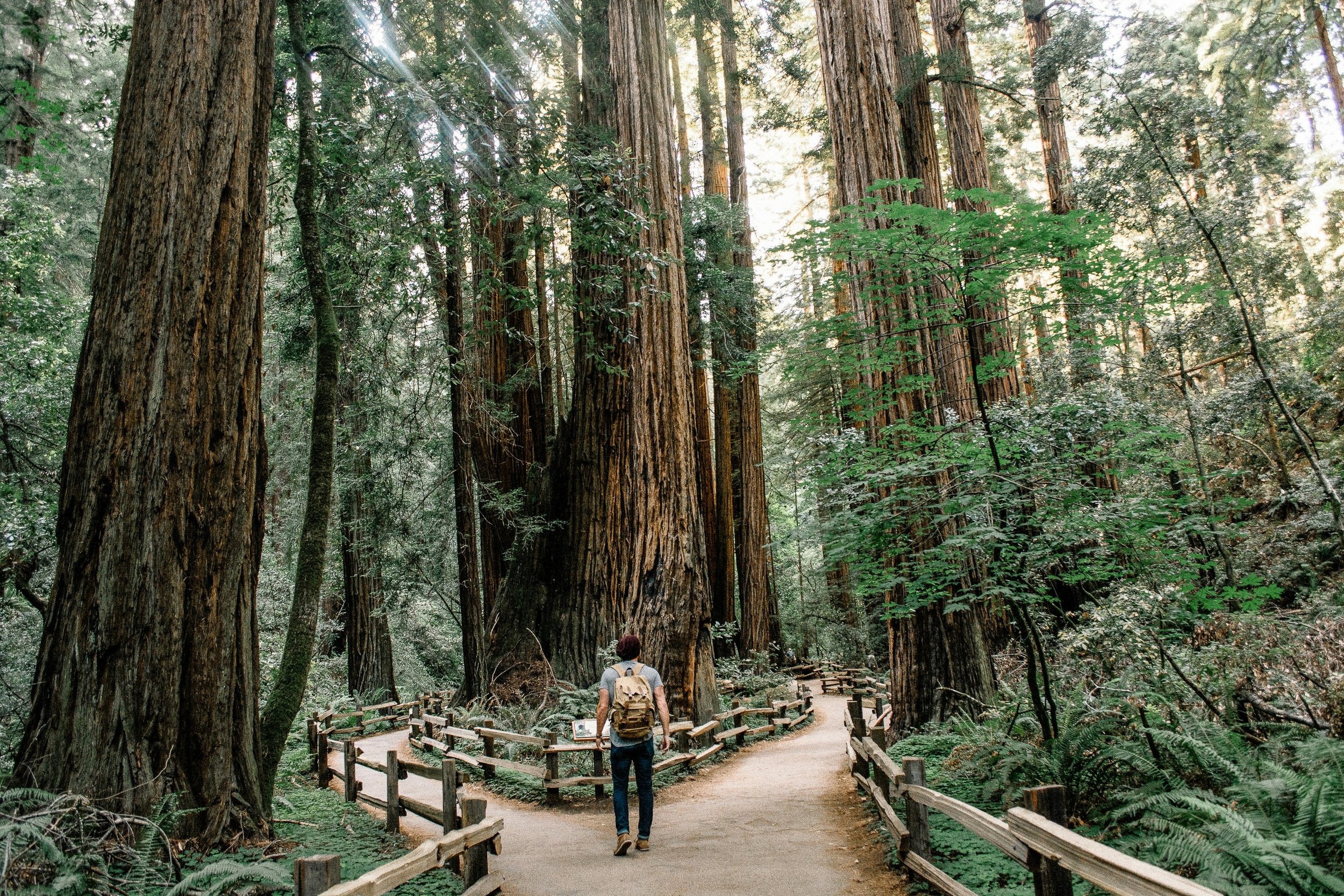
The Middle Way
In Buddhism, there is a philosophy called ‘The Middle Way’.
The Middle Way avoids extreme asceticism (think like a monk with no possessions) and endless self-indulgence.
It presents a balanced third option.
The Buddha had tried both extremes: the extreme hedonism of being a Prince and then extreme asceticism. He found both to be futile. The middle wasn't a compromise. It was the discovery.

In the context of high-performers, this can mean avoiding the two extremes of hustle-to-burnout and disengagement.
Why Travel the Middle Way
Going down the middle allows for a more moderate and sustainable way to work and live so that you can keep winning for longer.
Constantly overworking and pushing your limits keeps your Sympathetic Nervous System (SNS) active. This puts you in a prolonged state of fight or flight, which the body and mind were not designed to cope with.
Living in the middle promotes the activation of your Parasympathetic Nervous System (PNS), which is your rest and digest response.
So the middle isn’t just a mindset shift; it also offers physiological benefits.

For some, the idea of restricting your output can seem like an illogical idea, but the middle shouldn’t be thought of as introducing a ceiling, but more as adding a floor to your performance.
Ask yourself, would you rather:
Cycle between operating at 100% and then crashing down to 20%.
Operate at a constant 75%
Option 2 outperforms 1 over a long-term timescale.
How to Find Your Middle
Finding and staying on your middle way isn’t a one-time event. It requires ongoing self-reflection and assessment.
Below are some questions to get you started:
If I kept operating exactly as I am for the next 12 months, what would that cost?
This helps assess both your current state and its sustainability.What am I currently optimising for?
This question exposes the gap between what you think you're working towards and what your behaviour is actually pointing at. You may say you’re optimising for impact, but your calendar shows that you are optimising for busyness.Where am I performing for an audience that no longer serves me?
Is your current view of success truly yours, or are you trying to please or impress people who you no longer value?What does enough actually look like to you?
It’s important to understand what you want and what the finish line looks like. If not, you can keep pushing yourself meaninglessly, without an endpoint.
The Middle For Sustainable Growth
The middle isn’t where ambition goes to die.
It’s where sustainable growth is built alongside long-term health, happiness and energy management.

The people who are still going strong 10-years from now won’t be the ones who pushed the hardest, nor the ones who became unmotivated and gave up.
It’s the ones who intentionally chose their own path, managed their nervous system and lived a more balanced lifestyle.
That’s not compromise, it’s mastery.
What's Next?
If this resonated and you're not sure where your middle is right now, I'd love to explore that with you.
You can book a free Introduction Call or Drop me an email and we can discuss how coaching can help you to find your middle. No pitch or pressure guaranteed.
