
After You're Gone: CV vs Eulogy Virtues
Introduction
Picture the scene:
You are a witness to your own funeral.
Your family and closest friends are all attending and are grieving the loss of your presence in their worlds.
Your partner/best friend/child gets up to give a speech to the attendees.
They say:
“[Your name] was such a great person. They always achieved their quarterly KPI’s, were promoted to VP of Sales and worked with an unbelievable amount of productivity.”
It doesn’t seem like a situation that you would want to happen, does it?
They are more likely to talk about you as a person and what they meant to you—your internal characteristics as opposed to your external ones.
Are you investing in the things that they will remember you for, or just the list of accomplishments on your CV?

CV Virtues: What That Got You Here
Your job or business forms an important part of who you are as a person.
This is formed of what can be called ‘CV Virtues’, including:
Skills and technical knowledge accumulated over your working life.
Education and credentials earned through discipline.
Performance based on showing up and applying yourself.
Progression either up the corporate ladder or through business growth.

These are all real and honourable, and they rightfully belong on your CV.
But these are ultimately external accolades; they exist in relation to a market or to a company you work for.
Eulogy Virtues: What Aren’t Put on Your CV
There is a set of virtues that you wouldn’t put on your CV, but they make you irreplaceable to the people around you.
These are what are known as Eulogy Virtues.
These virtues are harder to build as they don’t come with feedback loops or clear metrics. Instead, they are core parts of you that often go unnoticed until you are gone.
They are the parts of you that will get discussed at your funeral, hence Eulogy Virtues, as they were the most impactful parts of you to those close to you.
Examples of Eulogy Virtues include:
Generosity
Bravery
Honesty
Sense of humour
Caring
The market or your employer doesn’t directly reward these virtues, but your friends, family and colleagues value them.
The Virtue Transition
In terms of career, there is typically a shift from CV to Eulogy Virtues when someone transitions from a technical role to a people management role.

In the technical role, your performance is attributed to technical skills and knowledge, and you are also rewarded based on your level of education and accreditation.
These are all the virtues that were key to getting to where you are, but alone, they won’t get you to where you need to be.
When you become a leader or manager, you may no longer be the expert in the room, so what are you measured on?
What you are valued for then needs to shift to softer aspects such as empathy, trust and the ability to bring out the best in others.
Those who don’t successfully make this transition in values get stuck being the leader who gravitates towards the technical aspects and neglects the things that those around them really need.
An example is the leader who jumps back in to solve the problem rather than coaching the person standing in front of them.
The Cost of Getting the Balance Wrong
If you overinvest in one set of virtues, it can negatively impact your leadership and personal life.
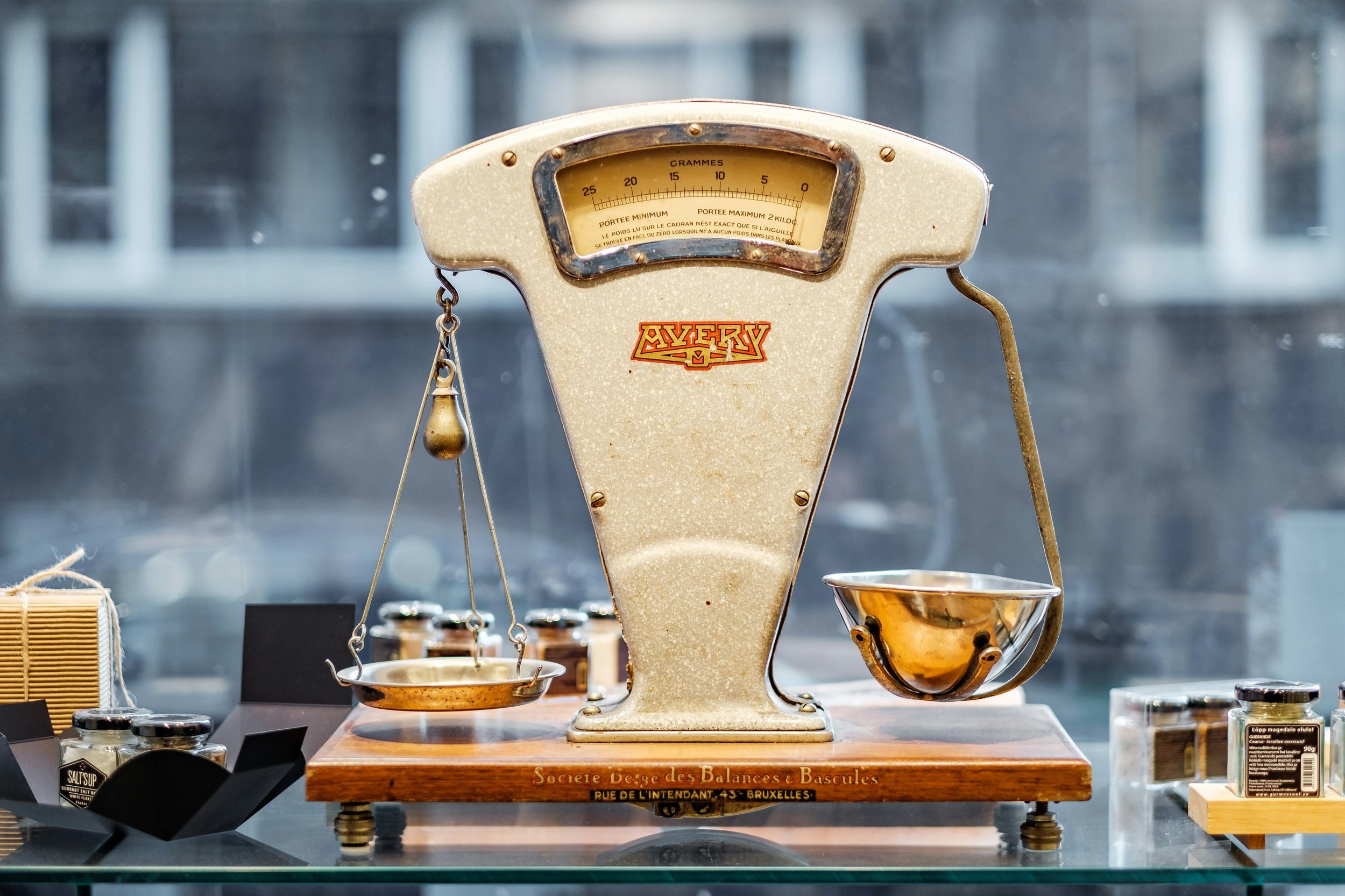
If your entire identity is built on performance and progression, the first time the market shifts (redundancy, restructuring, unsuccessful promotion), you are left with nothing to stand on and could face a crisis of identity.
Conversely, overindexing in Eulogy Virtues may prevent you from making progress towards where you need to be.
You could be a trustworthy and courageous person, but without having the skills and external accomplishments needed, you can’t move forward.
An example of this is the manager everyone wants to work for but never gets promoted because being liked has become more important to them than being effective.
It Isn’t Either/Or, It’s Both/And
The good news is, you don’t have to make a choice between which set of virtues you have to adopt.
You don’t have to abandon your ambition to become a better person.
It’s a case of becoming a more rounded and whole leader and person.
CV and Eulogy Virtues can work together.

The most effective leaders aren't those who choose character over competence, but the ones who let each reinforce the other.
The technical credibility gets them in a position where they can lead people, and the eulogy virtues make people want to be led by them.
Without the first, you're not taken seriously.
Without the second, you're not trusted.
Both are necessary.
Neither is sufficient in isolation.
Closing Questions
If you were to ask your colleagues to list your most distinct virtues, what would they say?
Same question for your friends and family?
How do you feel about these answers?
If you're not content with the answers, there's work to do.
This edition of Unlocking Human Potential is inspired by this article written by David Brooks.
What's Next?
If this resonated and you want to achieve more balanced virtues, I'd love to explore that with you.
You can book a free Introduction Call or drop me an email and we can discuss how coaching can help you to find your middle. No pitch or pressure guaranteed.
